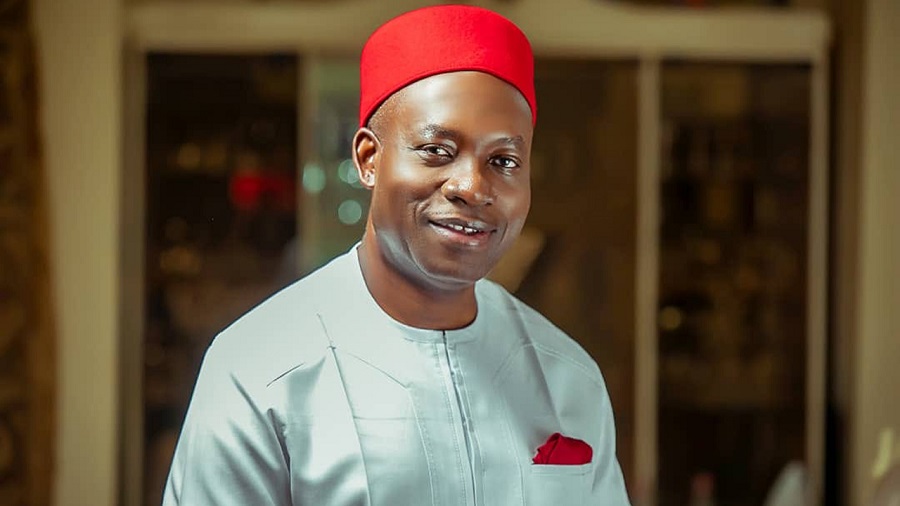
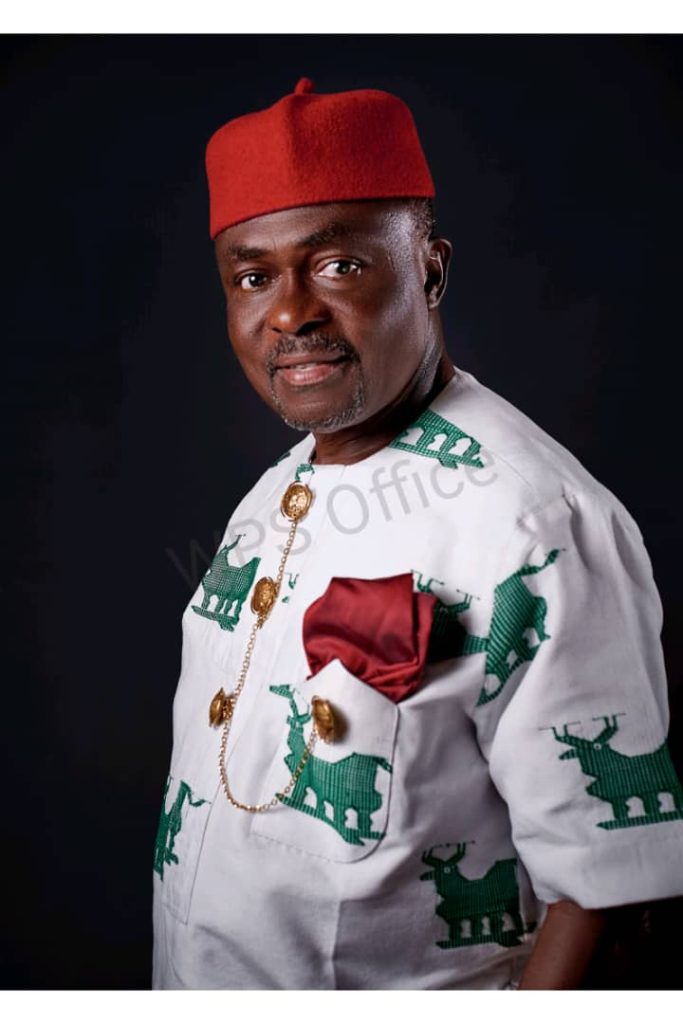
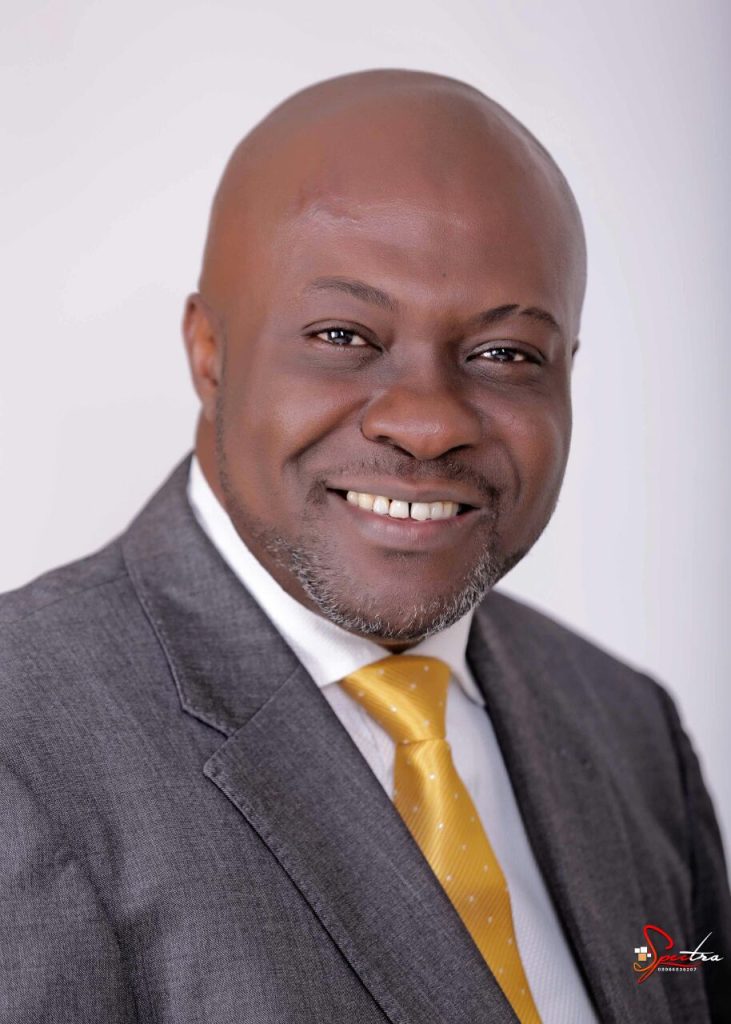
Prof. Chukwuma Soludo’s manifesto, titled “The Soludo Solution: A People’s Manifesto for a Greater Anambra,” is built on the philosophy of Pan-African Neo-Progressivism. This ideology blends market-driven wealth creation with a strong social conscience to protect the vulnerable.
As he enters his second term (2026–2030), his manifesto has transitioned from “The Solution is Here” to “Solution Continues,” focusing on five core pillars:
🏛️ Pillar 1: Security, Law, and Order (Homeland Peace)
Goal: To make Anambra the safest state in Nigeria and a “livable and prosperous homeland.”
Strategy: Combining technology-driven surveillance with rejuvenated community vigilante groups.
Property Rights: Guaranteeing a legal framework where commercial disputes are settled within 30 days to boost investor confidence.
📈 Pillar 2: Economic Transformation
The “Digital Tribe”: Positioning Anambra as a center of excellence for human capital, leapfrogging the youth into the 4th Industrial Revolution.
Post-Oil Economy: Building a state that does not rely on federal allocations. His target is for Anambra to generate more than 100% of its recurrent expenditure internally.
Mega Cities: Investing in five new specialized cities:
New Niger City: Near Onitsha.
Awka 2.0: A modern administrative and tech capital.
Anambra Mixed-Use Industrial City (AMIC): An export-oriented free trade zone.
Aerotropolis: An airport-centered economic city.
Innovation District: The state’s version of Silicon Valley.
🎓 Pillar 3: Competitive Social Agenda
Education: “Truly free” public education by abolishing all levies and hiring thousands of teachers to ensure high standards.
Health Insurance: Reinforcing the Anambra Health Insurance Scheme so that no resident dies because they cannot afford medical care.
Youth Empowerment: The “One Youth, Two Skills” program, designed to turn every young person into a productive entrepreneur.
🌍 Pillar 4: Governance and Rule of Law
Public-Community-Private Partnership (PCPP): A unique model where the government partners with the private sector and community leaders to manage assets, adopt schools, and build infrastructure.
Made-in-Anambra: A “Concentric Circle of Patronage” policy where the government must patronize local products first (e.g., Soludo’s use of Innoson vehicles and Akwete cloth).
🌱 Pillar 5: Environmental Sustainability
Clean and Green: A state-of-emergency on the environment to transform cities into planned, sustainable, and “green” hubs.
Urban Slum Renewal: A specific commitment to modernizing neglected areas like Okpoko in Ogbaru LGA.
📜 The 50-Year Vision (Anambra Vision 2070)
Soludo’s manifesto is the short-term vehicle for the Anambra Vision 2070, a 50-year development plan he chaired before becoming governor. This ensures that every road built and every policy signed today is a brick in a half-century-long wall of progress.
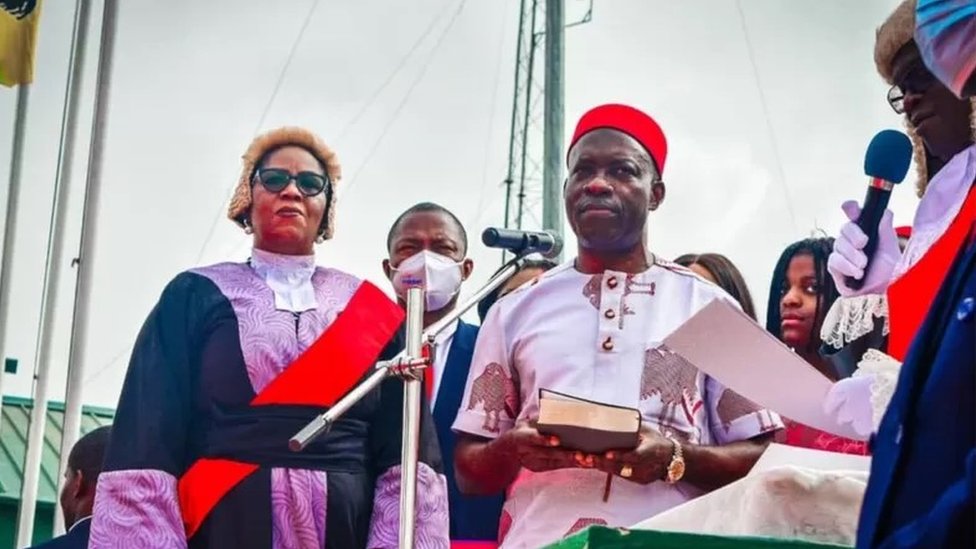 Professor Chukwuma Soludo’s journey as Governor of Anambra State has been a high-speed transition from “Plan” to “Execution.” As of April 2026, he has just begun his second term (inaugurated on March 17, 2026) following a historic landslide victory where he won all 21 Local Government Areas.
Here is the breakdown of his “Solution Agenda” journey so far:
🏛️ The Transition: From First to Second Term
The “Mandate of 21”: In November 2025, Soludo achieved what few have: winning every single LGA in the state. He polled over 422,000 votes (73% of ballots cast), a massive jump from his 2021 victory, signaling strong public endorsement.
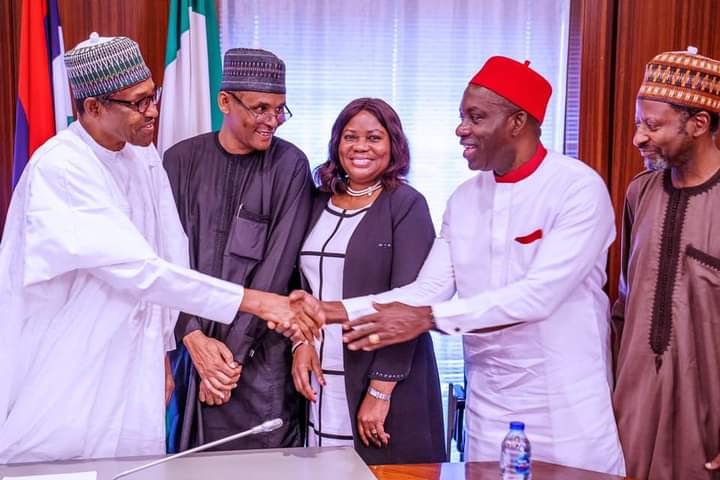
Inauguration 2.0: His second-term ceremony on March 17, 2026, at the newly renovated Alex Ekwueme Square, was attended by Vice President Kashim Shettima and former presidents Obasanjo and Jonathan, highlighting his national influence.
🏗️ Pillar 1: Infrastructure & Urban Renewal
The 900km Roadmap: By the end of his first term, Soludo had overseen the construction of over 900km of roads, with 600km already asphalted.
Okpoko Transformation: His first official act in 2022 was visiting the Okpoko slum; today, it is a model for urban renewal with paved roads and improved sanitation.
Ekwulobia Flyover: A major milestone in logistics, this project (including a bus terminal and shopping mall) has drastically reduced gridlock in the industrial corridor.
Awka 2.0: He is currently overseeing the “re-imagining” of the state capital, moving from a colonial-layout town to a modern city.
🎓 Pillar 2: Human Capital (Education & Health)
Education Revolution: Anambra “cleaned-up” at the 2025 President’s Teachers’ and Schools’ Excellence Awards. Soludo hired 8,115 teachers to end the “PTA teacher” era and made public education “truly free” by abolishing hidden levies.
Healthcare Expansion: Over 21 General Hospitals have been upgraded, and the state has recruited hundreds of new medical professionals to stem the “brain drain.”
🛡️ Pillar 3: Security & Law and Order
The “Monday Reset”: One of his biggest journeys was the psychological and physical battle to end the “Monday Sit-at-Home” orders. By 2026, he declared the era of forced shutdowns over, with markets and schools fully operational.
Security Architecture: He successfully balanced the use of state security forces with community-led vigilante groups to reclaim various “no-go” zones from criminal elements.
📈 Pillar 4: Economic Transformation (The “African Dubai-Taiwan”)
One Youth, Two Skills: This flagship program has empowered over 36,000 youths with vocational training and seed capital totaling ₦5.5 Billion.
The 2026 “Solution Continues” Budget: He recently signed a ₦766 Billion budget for 2026, with a staggering 79% allocated to capital expenditure (building things) rather than government consumption.
Professor Chukwuma Soludo’s leadership journey is defined by a rapid shift from theoretical economic planning to “disruptive” execution. As of April 2026, he has just crossed the milestone of his second-term inauguration (March 17, 2026), following a historic election where he won all 21 Local Government Areas.
Here are the key leadership milestones that define his administration:
🗳️ 1. The “Mandate of 21” (November 2025)
A defining political milestone was Soludo’s re-election victory. He became the third governor in Anambra’s history to secure a second term, winning over 73% of the total votes. More significantly, he swept all 21 LGAs, a feat that transformed his 2021 narrow mandate into an unambiguous popular endorsement.
🛣️ 2. Infrastructure: The 900km Roadmap
By the end of his first term, Soludo hit the milestone of overseeing over 900km of road projects across the state.
The Ekwulobia Flyover: Completed as a major logistics hub, featuring a bus terminal and shopping mall to resolve decades of traffic gridlock.
Urban Renewal in Okpoko: Transformed a formerly neglected slum into a developed urban area with paved roads and modern sanitation, fulfilling his very first campaign promise.
🎓 3. Education: The “Clean Sweep” (October 2025)
Under Soludo, Anambra was officially recognized as the top-performing state in education for 2025.
End of “PTA Teachers”: Recruited 8,115 teachers into the public system, ending the practice where parents were taxed to pay teacher salaries.
Truly Free Education: Abolished all hidden levies in public schools, leading to a 45% increase in enrollment between 2022 and 2025.
National Recognition: Anambra won 9 major awards at the 2025 President’s Teachers’ and Schools’ Excellence Awards (PTSEA).
💼 4. Economic Innovation: One Youth, Two Skills
Soludo successfully launched and scaled the “One Youth, Two Skills” initiative. As of 2026:
Over 36,000 youths have been empowered through vocational and digital training.
Approximately ₦5.5 Billion has been disbursed in start-up grants and seed capital to these trained entrepreneurs, fostering a new generation of small business owners.
⚖️ 5. Fiscal Discipline & Security
The 2026 Budget Milestone: Signed a ₦766 Billion budget for 2026, which remarkably allocates 46.9% to education (surpassing UNESCO’s recommendation) and keeps capital expenditure at nearly 80%, a record for fiscal lean-ness in Nigeria.
Reclaiming the “Mondays”: Effectively ended the illegal “Sit-at-Home” orders that previously paralyzed the state’s economy, restoring five-day work weeks for markets and schools.
Professor Soludo’s administration has focused on “bottom-up” community development, prioritizing projects that solve long-standing local issues while preparing the state for a digital and industrial future.
As of April 2026, here are the most impactful community-based projects under the “Solution Agenda”:
🏥 Healthcare & Social Welfare
Oncology-Focused Teaching Hospital: In early 2026, the administration hit a major milestone in modernizing the Chukwuemeka Odumegwu Ojukwu University Teaching Hospital (Amaku), including a new trauma center and a specialized cancer treatment wing.
Revamped Water Schemes: Successfully restored pipe-borne water to several communities including Awka, Onitsha, Obizi, Nnewi, Otuocha, and Okpoko, ending decades of reliance on expensive private water tankers for many households.
Low-Cost Housing: Launched the construction of 10,000 low-cost housing units at Isiagu (Awka South) to provide affordable accommodation for civil servants and low-income community earners.
🏫 Education & Youth Empowerment
Smart Schools per Ward: To ensure rural kids aren’t left behind, the government is currently building modern “Smart Schools” in communities that previously had no public primary schools. The goal is to ensure every ward has a digitally equipped learning center.
The “One Youth, Two Skills” Milestone: By early 2026, over 36,000 youths have been empowered. Remarkably, ₦5.5 Billion has been disbursed directly to these trained entrepreneurs as start-up grants, turning local youths into job creators in their own communities.
Solution Innovation District (SID): Established a permanent digital hub to train community youths in high-end tech skills like Robotics, AI, and CCTV installation, moving the local economy toward the “4th Industrial Revolution.”
🛣️ Infrastructure & Urban Renewal
The Okpoko Transformation: Once one of the largest urban slums in the region, Okpoko has been completely revitalized with paved roads, street lights, and improved drainage systems.
Rural Road Connectivity: Beyond the major flyovers, the government has asphalted over 900km of roads, specifically targeting “inter-community” links that allow farmers in rural areas to transport goods to urban markets like Ekwulobia and Onitsha.
Ekwulobia Hub: Completed a massive flyover and a modern Central Bus Terminal, which has transformed the Ekwulobia community from a gridlock-prone junction into a structured commercial nerve center.
🌴 Agriculture & Environment
Palm and Coconut Revolution: Distributed millions of high-yield oil palm and coconut seedlings to thousands of households across the 326 wards to boost long-term community wealth.
Indigenous Tree Initiative: In the 2026 budget, ₦200m was earmarked specifically for the procurement of endangered Igbo fruit tree seedlings (like Ukwa, Udala, and Ogbono) to be distributed across all 21 LGAs for environmental and economic sustainability.
Public opinion on Professor Chukwuma Soludo’s administration is currently defined by a “performance-based” approval, evidenced by his landslide re-election victory in November 2025. However, as he begins his second term in April 2026, the “voice of the street” remains a mix of deep appreciation for his intellectual rigor and concern over the practical daily costs of his reforms.
🗣️ The People’s Voice: Strong Support
“The Landslide Mandate”: His victory in all 21 Local Government Areas (LGAs) is the most significant indicator of public opinion. Many residents view this as a “reward for performance,” particularly citing his work in reclaiming the state’s security from criminal elements and ending the forced “Sit-at-Home” orders.
Educational Excellence: Parents and teachers have largely praised the abolition of school fees and the hiring of over 8,000 teachers. The “clean sweep” of national education awards in late 2025 is a major point of pride for Ndi Anambra.
Urban Transformation: In communities like Okpoko and Ekwulobia, the sentiment is overwhelmingly positive. Residents who once lived in neglected slums or faced daily gridlock now see their areas transformed into structured urban centers.
⚠️ Advice and Critical Opinions
The “Taxation Tension”: A common piece of advice from traders and small business owners is for the government to “humanize” its tax collection. While many understand the need for Internally Generated Revenue (IGR), the aggressive digital enforcement in markets like Onitsha remains a point of friction.
Cost of Living and Utilities: Recent feedback from residents in Awka highlights frustration over the “biting” economy. Some citizens have called on the Governor to intervene more aggressively in utility issues, specifically complaining that electricity billing in the capital is becoming “higher than house rent.”
“Theory vs. Practice”: Some critics, including opposition analysts, argue that the “African Dubai-Taiwan” vision still feels too theoretical for the average person. They advise the Governor to focus less on “slogans” and more on immediate relief for the vulnerable middle class.
💡 Summary of Public Advice
Market-to-Farm Links: Many are advising a pivot in the second term toward making agriculture as efficient as the education sector to help reduce food inflation.
Local Power Independence: Given the national grid instability, the most recurring “advice” is for Soludo to replicate Abia’s success with the Geometric Power model to provide independent power for Anambra’s industrial hubs (Nnewi and Onitsha).
Youth Employment: While “One Youth, Two Skills” is popular, graduates are advising the government to create more high-level white-collar opportunities within the state’s growing tech and civil service sectors.